This is a ditch. This is a headwater stream.
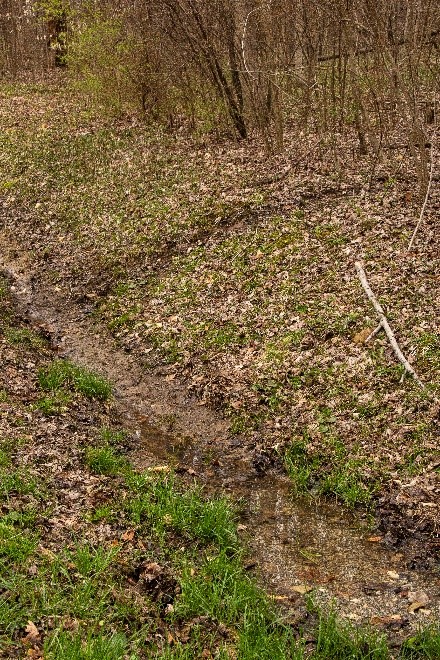
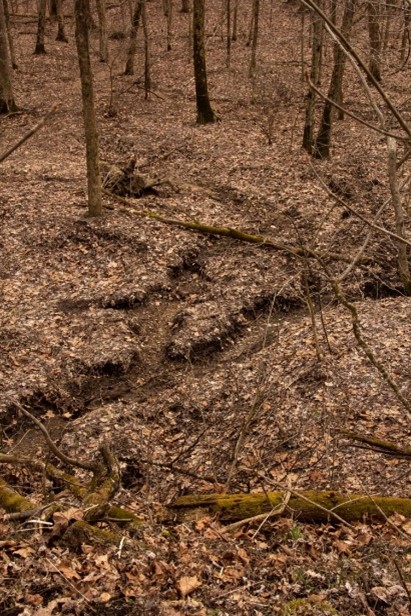
Ditches are dug by people to get water off the land. They perform few, if any, other services. Headwater streams are formed by natural processes and connect with other streams to form rivers. While they remove water from the land, they also control run-off, reduce flooding, help restore groundwater supplies, remove pollutants and sustain biological life.
Approximately 80% of Ohio’s streams are headwater streams and roughly 80% of the water in our larger rivers flows through our headwater waterways. The stream pictured is an ephemeral stream that only flows during and after rain events.
According to the Ohio EPA are more than 36,000 miles of ephemeral streams in Ohio. Even though they may look like ditches, they perform all of the functions of headwater streams noted above. Moreover, while they may be dry on the surface, there may still be water flowing beneath the surface, which is being filtered and helping sustain the flow of larger streams during dry weather.
Losing our ephemeral streams is a bit like losing the small blood vessels in our bodies. They may be small, but they are important to the well-being of the whole. Among other things, they help clean the water we drink and reduce erosion in the larger streams they feed. If we want to protect our rivers and lakes, we ought to start by protecting our ephemeral streams.